
12 × 750 ml
Wine case
The classic 12-bottle case. Often paired with a mixed-case discount.
Feature · Case pricing
Sell a 12-bottle case or a single bottle from one product. The case has its own price and barcode; the stock never leaves bottles. No duplicate products, no Monday recount.
14-day free trial · no cardNo contract · cancel anytime
One product · two units
House Cabernet 750 ml
Stock on hand: 146 bottles (12 cases + 2 singles)
The House Cabernet 750 ml sells for $12.99 a bottle. You set the case of 12 at $139.99, which is $11.67 a bottle and $15.89 less than twelve singles. A customer buys one case and two singles: the register charges both prices correctly and stock drops by fourteen bottles.
Shelf prices in this example are illustrative and switch with your country selection.
12 × 750 ml
The classic 12-bottle case. Often paired with a mixed-case discount.
6 × 1.75 L
Handles usually ship six to a case; fifths twelve.
6 × 12 oz
Sell a single can, the six, or the case, all from one product.
30 × 12 oz
A larger unit of the same can; one stock figure for all of them.
10 × 50 ml
Nips sold singly at the counter and by the sleeve for parties.
1 × 1.5 L
A different size is a different product; a case is just a pack of the same one.
Setup
Once per unit type, then per product only if a price differs from your rule.
FAQ
Each product has a base unit, the bottle, and one or more larger units such as a case of 12. Each unit has its own price and its own barcode. When a case is sold, the price comes from the case and the stock drops by 12 bottles, so the count stays right whether customers buy singles or full cases.
No. That is the mistake that breaks stock counts. One product, with the case set up as a related unit (Case = 12 Bottles), keeps a single stock figure in bottles.
Yes. Scan the UPC on the case box and the register rings the case unit; scan the bottle and it rings a single. Both barcodes belong to the same product.
Each pack size is its own unit of the same product: can, 6-pack, 12-pack, 24-case or 30-rack. Each has its own price and barcode; stock counts in cans or bottles.
Nothing to do. Stock is already in bottles, so selling three singles from an opened case simply reduces the bottle count by three.
Yes, you set the case price yourself. If your state restricts quantity discounts or sets minimum prices, set the case price to what your licence allows; the software does not decide it for you.
Deposits such as CRV or a 5¢ or 10¢ container deposit can be added per container, so a case adds the deposit 12 times and the receipt shows it as its own line.
Yes. Purchase orders can use the case unit, receiving adds bottles to stock, and cost per bottle is worked out from the case cost.
Yes. Products with a case unit show both options on the auto-generated online store, with the stock available.
Import your catalogue with case units already set. We do the import for free on any plan.
14-day free trial · no cardNo contract · cancel anytime
Features
 Age and ID check promptsThe register stops and asks for a date of birth or ID scan before any age-restricted item can be sold.
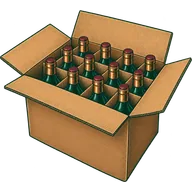 Case and bottle pricingOne product, two units. Sell a case or a single bottle; stock always counts in bottles.
 Mix-and-match case discountsAny 6 or 12 wines from the shelf get the case discount automatically, with the rules you choose.
 Barcode catalogue importBring 5,000+ SKUs in from a distributor file or your old POS export, UPCs and all.
 Inventory by locationStock per store, transfers between stores, and adjustments with a reason on every one.
 State alcohol rules, your waySwitches for age prompts, deposits, discounts and staff permissions, set to the rules of your own licence.
 Purchasing and suppliersPurchase orders to distributors, receiving against invoices, and a running ledger per supplier.
 Loyalty and gift cardsReward points on every receipt, customer accounts, and gift cards your regulars actually use.
 Reports that close the dayEnd-of-day register totals, profit by category, slow movers and stock value, per store or all stores.
All pages
Features
ID checks
Case pricing
Mix & match
Catalogue
Inventory
State rules
USA & UAE
Compare
Blog
Help
Country · Language · Theme
Accessibility
Text size