Compliance · 5 min read
How to check ID at a liquor store, every time
A practical guide to checking ID at a liquor store: when to card, how to read a licence, what to do with doubtful IDs, and how the register can enforce it.
By Compliance Research Desk · Published · Updated
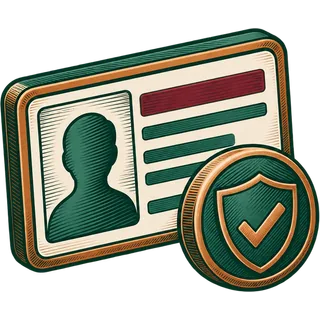
To check ID at a liquor store, ask for a valid government photo ID on every sale of age-restricted products to anyone who might be under your house age limit, confirm the date of birth against today’s cut-off date, compare the photo with the person, check the ID for expiry and tampering, and refuse the sale if anything is wrong. The rest of this guide is about making that happen every time, including on a busy Saturday night with a new hire at the register.
Key takeaways
- The US minimum purchase age is 21 everywhere; your state sets the penalties and any training rules.
- The hard part is not knowing the rule, it is doing the check every time. Build it into the register.
- A scanner reads the birth date; your staff still check the photo and the card.
Why ID checks fail in real stores
Most cashiers know the rule. Checks fail for ordinary reasons: the line is long, the customer is a “regular”, the cashier does the date arithmetic wrong, or a new hire assumes someone else already checked at the door. Licensing authorities know this, which is why they run compliance checks with under-age buyers at busy times.
The fix is not a longer training video. It is making the right action the default one:
- The register stops when a restricted item is scanned.
- The cut-off date is on the screen, so nobody calculates “21 years ago today” in their head.
- The outcome is recorded, so you can see who checks and who skips.
The five-second ID check
Teach this as a fixed routine, the same order every time.
- Ask for the ID and take it in your hand. Do not check an ID through a wallet window; you cannot feel for tampering.
- Find the date of birth and compare it with the cut-off date shown on the register. If the screen says “born on or before 10/18/2005” and the ID says 11/02/2005, the answer is no.
- Check the expiry date. An expired ID is not valid ID in most states.
- Compare the photo with the person. Look at features that do not change easily: eye spacing, ears, chin.
- Feel and look at the card. Raised or uneven edges, peeling laminate, misaligned text and missing security features are warning signs.
If anything fails, refuse the sale politely and record the refusal.
Reading US driver’s licences quickly
Most US licences issued to people under 21 are designed to be spotted fast. Many states print them in a vertical (portrait) layout, and many show an “under 21 until” date. Train staff to treat a vertical licence as a reason to read the date carefully, not as an automatic refusal: the person may have turned 21 since it was issued.
The back of most US licences carries a PDF417 barcode that encodes the date of birth and other details. A 2D barcode imager at the register can read it and fill in the date for you, which removes arithmetic and typing mistakes. A scanner does not prove the card is genuine, so the photo and card checks still matter.
What to do with a doubtful ID
When something feels wrong but you cannot point to it:
- Ask a question the real holder would know, such as the zip code or the middle name on the card.
- Ask for a second ID with a photo or a signature.
- Call a manager. A second pair of eyes is reasonable and customers expect it.
- Refuse if in doubt. A lost sale costs a few dollars. A sale to a minor can cost you fines, a suspension or your licence.
Never keep an ID unless your state law allows or requires it. Hand it back and refuse the sale.
Refusing a sale without a scene
A good refusal is short, polite and the same every time:
“I’m sorry, I can’t complete this sale without a valid ID. You’re welcome to come back with one.”
Do not argue, do not accuse, and do not lecture. If the customer becomes aggressive, step back and call a manager. Record the refusal so the next shift knows.
Making the register enforce it
With Bottle Shop POS the age check is a category setting, not a habit:
- Flag spirits, wine, beer and ready-to-drink products as age-restricted. Every product in those categories is covered, including new ones.
- When a restricted item is scanned, the register shows a full-width prompt with today’s cut-off date. The sale cannot continue until the cashier scans the ID, types the date of birth, or refuses.
- Overrides are limited to the roles you choose, such as managers with a PIN, and each one is logged.
- The age-check log lists approvals, refusals and overrides by date, store, register and cashier.
That record matters. If a compliance check goes badly, you can show training and a history of checks. If it goes well, you know which staff to thank.
Read more on the age verification feature page, or see the setup steps in the help guide Turn on age prompts.
Training that sticks
- Day one: the five-second routine, the refusal script and where the age prompt appears.
- Week one: a manager watches a few transactions and gives feedback.
- Monthly: review the age-check log together. Praise the refusals.
- Before holidays and graduation season: a two-minute refresher.
Keep a printed card at each register with the routine and your state’s list of acceptable IDs.
A note for UAE outlets
Licensed outlets in the UAE follow the conditions of their own licence, including the minimum age and which documents to accept. The same register prompt works with the age your licence requires; staff typically type the date of birth from the Emirates ID or passport.
The bottom line
Checking ID is simple; doing it every time is the job. Put the check in the register, show the cut-off date, record the outcome, and make refusals normal. Your licence depends on the hundredth transaction of a busy night, not the first.
Sources
General information, not legal advice. Checked 2026-10-18.

Written by
Reads primary sources on age checks, deposits, discounts and tax, and explains which software switches map to them.
Cites primary sources: state liquor authorities, NABCA, TTB, UAE Federal Tax Authority