Inventory · 3 min read
Opening a second liquor store: the inventory and systems checklist
A checklist for opening a second liquor store: licence, catalogue, pricing per store, stock transfers, purchasing, staff roles and reports across both locations.
By Retail Operations Desk · Published · Updated
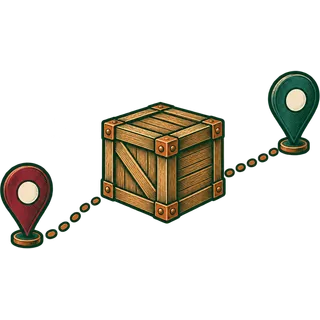
Before a second liquor store opens, you need its own licence, one shared catalogue with stock kept per store, a decision on whether prices are shared or set per store, a transfer process for moving bottles between stores, purchasing per store, staff roles limited to their location, and reports that show each store and both together. This checklist puts those in order.
Key takeaways
- Licences are usually per premises; start the application first.
- One catalogue, stock per store, prices shared with per-store overrides.
- Transfers, not van trips, move stock between stores.
1. Licence and premises
- Apply for the licence for the new premises early; timelines vary by state and county.
- Confirm what the licence lets you sell (wine, beer, spirits) and the permitted hours.
- Confirm the sales tax rate for the new address, and whether a deposit law applies.
2. One catalogue, two stocks
Do not copy your catalogue into a second system. Add the new store as a location on the same account:
- Products, barcodes, units and costs are shared.
- Stock is kept per store.
- New products added once are available in both.
3. Prices: shared, with exceptions
Most owners keep one central price book and override prices only where a store needs it, such as a tourist area or a different state. Decide this before opening and document it, so managers do not change prices locally.
4. Opening stock for the new store
- Build the opening order from the first store’s sales by category, scaled to the new store’s size.
- Receive it against purchase orders at the new location.
- Or transfer part of it from the first store, with a transfer that is sent and received.
5. Transfers between stores
Agree a simple rule: no bottle moves without a transfer. A transfer takes stock out of the sending store when it is sent and adds it to the receiving store when it is received. In-transit stock is never counted twice. See inventory by location and the guide Transfer stock between stores.
6. Purchasing per store
Each store orders against its own low-stock report and receives its own deliveries. The supplier ledger shows what you owe each distributor across both stores.
7. Staff and roles
- Create roles limited to each store: cashier, supervisor, manager.
- Decide who may move stock and who may see both stores’ reports.
- Turn on age prompts for the same categories in both stores.
8. Registers and hardware
- Name registers by store: “Harbor 1”, “Harbor 2”.
- Each register needs a scanner that reads ID barcodes, a receipt printer and a cash drawer. See the hardware guide.
9. Reports for two stores
Every Monday, compare the stores side by side:
- Sales and profit by category per store
- Low stock per store
- Transfers sent and received
- Adjustments by reason per store
Once a month, look at both together for stock value and supplier balances.
10. The online store
Add the new store as a pickup location, so customers can reserve at either store and see what is in stock at each.
The checklist, condensed
- Licence, tax rate and deposit rules for the new address
- New location on the same account
- Central price book, overrides documented
- Opening stock ordered or transferred
- “No transfer, no move” rule
- Purchasing per store
- Store-limited roles and age prompts
- Registers and hardware
- Weekly side-by-side reports
- Second pickup location online
Multi-store tools such as transfers and the central price book come with the Handle plan; see pricing.

Written by
The onboarding team's writing desk: case units, catalogue imports, mix-and-match rules and multi-store stock.
Writes from hands-on catalogue imports and register setups done by the onboarding team